
Planning is key to limit the environmental impact of your body after death
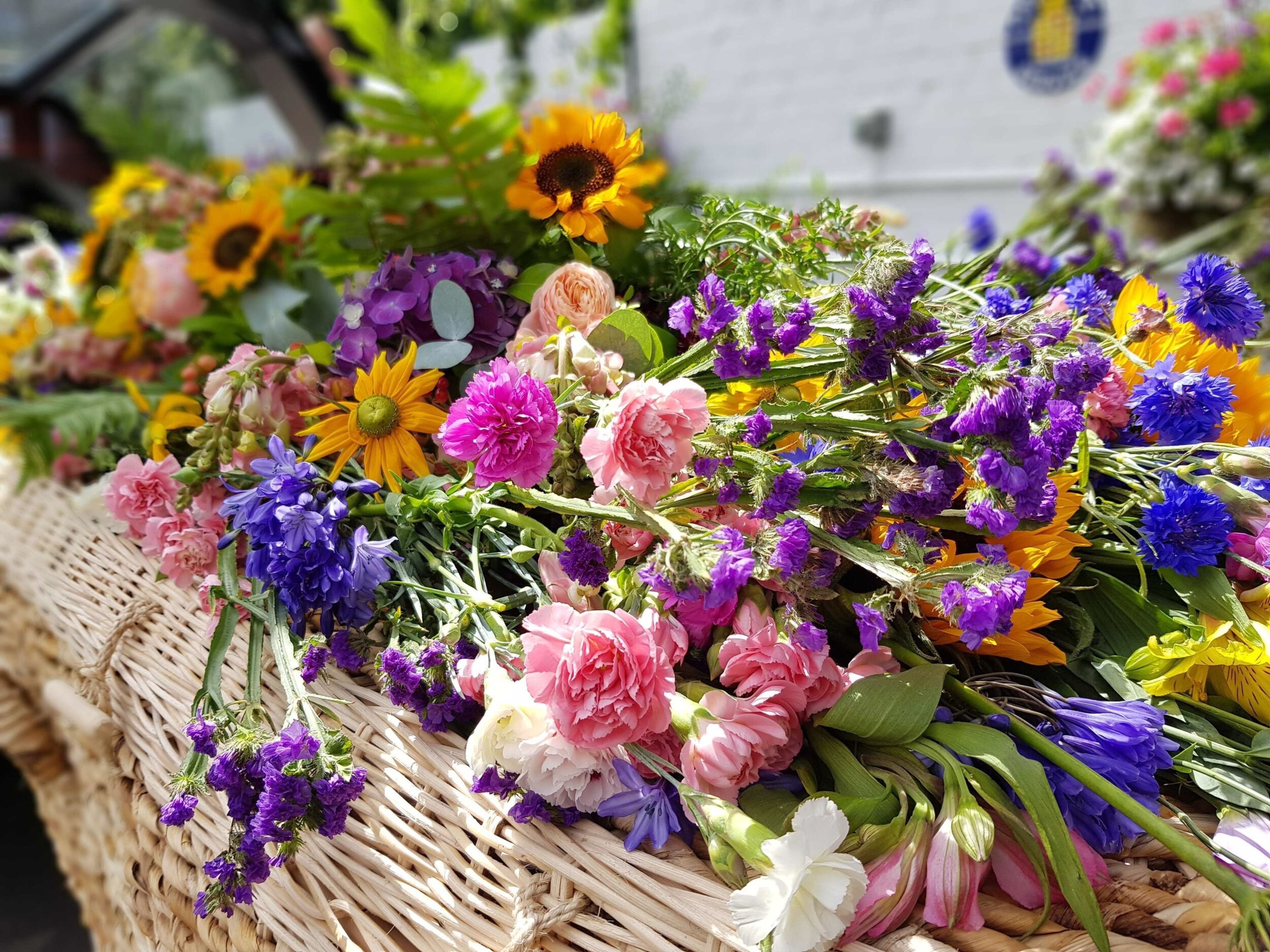
Planning is key to limit the environmental impact of your body after death.
Think about the environmental legacy you’d like to leave for future generations and put it into action.
From cardboard coffins and natural burials, Australians are becoming more open to alternative farewells.
To ensure your wishes are followed for what happens to your body after death, the key is to plan, to write it all down and to share this with family and/or the person you’ve chosen as your Enduring Guardian.
People need to make many decisions as they face the end of their life, but what happens to their bodies can make a significant difference to the impact on the environment.
In a natural burial, there is minimal preparation of the body. The deceased is usually buried in a natural-fibre cloth shroud and/or biodegradable coffin at a shallow depth and decomposes into the surrounding soil naturally over time. It results in negligible release of greenhouse gas and returns the body to the earth.
Swapping a lacquered timber or MDF coffin with plastic parts for untreated pine, cardboard or wicker reduces emissions from any burial as well as from cremations.
It’s estimated that a mahogany veneer coffin with plastic handles and linings leads to more than 170kg of emissions if cremated.
By comparison, a natural burial with a cardboard coffin and rope handles emits less than 10kg, and of course, a cremation with a cardboard or eco-friendly coffin is more environmentally friendly too.
The biggest impediment to more sustainable deathcare is a tendency for Australians to leave funeral decisions until after a loved one dies.
Like most things in life, planning is very important when it comes to what type of deathcare you require.
Think about the environmental legacy you’d like to leave for future generations and put it into action.

Lorem ipsum dolor sit amet, consectetur adipiscing elit. Suspendisse varius enim in eros elementum tristique. Duis cursus, mi quis viverra.